
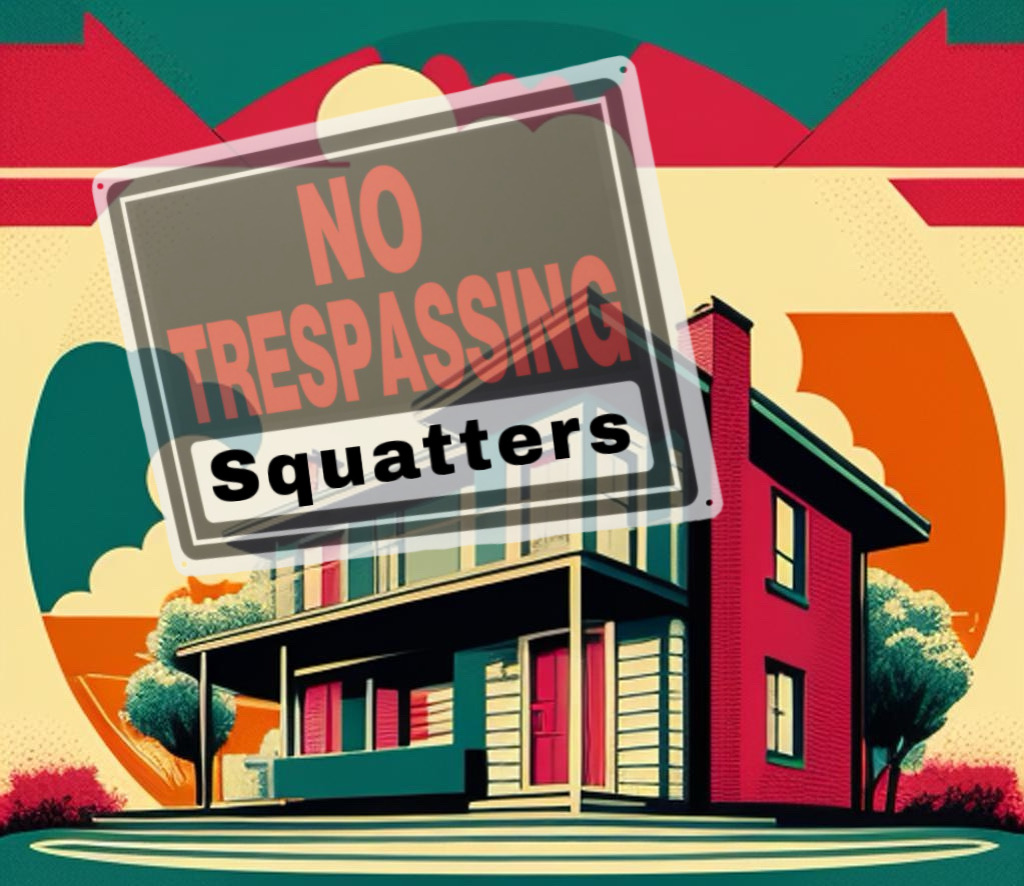
In recent times, there has been a concerning rise in trespassers claiming squatter rights and taking over private property. Unoccupied vacant and foreclosed homes as well as vacant land are at highest risk. And not just in California, but across the entire U.S. due to the lack of housing and loopholes in occupancy laws. This situation has left homeowners in an uproar, and understandably so. It is both disturbing and emotionally unsettling to discover that someone else has taken over and occupied your home or rental property without permission. The feeling of uncertainty to even leave for a short relaxing vacation is unnerving. However, if you’re wondering how to get rid of squatters in California, or elsewhere, there are immediate and proactive measures you can take. Because timing is crucial, you can nip trespassers and would-be squatters in the bud before they become a problem.

Communication: Simple genius
One of the most effective ways to address a trespasser or squatter is through immediate, calm verbal communication. If you come across a squatter or trespasser on your property, it is essential to let them know that their presence is illegal and unauthorized. Inform them that you have already notified law enforcement and they are on their way. Often these types of individuals have criminal records or outstanding warrants for their arrest. This straightforward approach can appear that you are helping them to avoid an arrest, prompting them to leave immediately and avoiding any further complications. Be sure to take a cautious approach if the individual is hostile or threatening. Nothing is worth risking your safety.
Proactive Plans: How to get rid of squatters in California
Notify law enforcement of planned vacancy or vacation
Savvy squatters know the loopholes in the laws and use it to their benefit. Some will plan ahead by preparing a false lease agreement or telling law enforcement they have a legal right to be there. Therefore, it’s even more important that you arm yourself with your state laws and take proactive measures. Be one step ahead of would-be trespassers.
A good proactive step to consider is to inform your local law enforcement with a vacant property registration form. Notify them whenever your property is vacant or you plan to go on vacation temporarily. Furthermore, providing them with written notice provides a timeline against falsified documents. Timelines are critical in certain jurisdictions that have laws surrounding specific number of days for establishing residency. In addition, by verifying there should be no other occupants in your house during the vacancy or absence puts your property on alert during patrols.
Install Security Cameras with Surveillance
This is huge. If you don’t already have security cameras, get them! By installing security cameras with surveillance video connected to the internet can provide you with an instant alert. Any illegal entry will be caught on camera and will be your eyewitness. With this evidence, you can promptly notify law enforcement if necessary to make a private person’s arrest. This is a powerful way to prove immediate trespassing to the police or sheriff before the would-be squatter can take root and completely move in. This quick action can eliminate the need to get rid of squatters in California and possibly elsewhere.
Your home’s fate boils down to what law enforcement is able and willing to do. Bottomline, if law enforcement is unable to intervene, you will be stuck needing to employ legal proceedings for an eviction to have the squatter removed.
Mail Service: Place a mail hold and establish instructions with USPS
To further safeguard your property, establish instructions with the local USPS mail service. Request a USPS mail hold for the duration of your absence. Why? Because certain clues like an accumulation of uncollected mail can alert a squatter that a home is vacant. Also give explicit written instructions prohibiting delivery of mail to any unknown persons other than those you have listed as residents. Examples would be yourself, spouse, children or other authorized individuals such as tenants. Blocking mail delivery from unauthorized persons will deter the possibility of them claiming residency.
Utility Providers: Establish instructions for non-service
Similarly, contact utility companies that service your property. Inform them with written notice prohibiting applications for service from any other parties without your express written consent as the legal owner of record. The idea here is for the squatter to leave after realizing they cannot get all the comforts of living.
It is crucial to act swiftly when getting rid of squatters or trespassers in California and other jurisdictions. Timing is the critical factor. Some jurisdictions have laws that, after a certain number of days, consider squatters as permanent residents, upon which can only be removed through a lengthy civil action known as an unlawful detainer or eviction.
Do yourself a favor. Make a simple call to your local law enforcement today and ask questions. Find out their procedure for handling a trespasser or squatter in the event of a break in that recently occurred. Is there a specific number of days to take action?
Trespassing vs Squatting: How to get rid of a squatter in California
Personal Experience: Timing and circumstance can determine the difference
I feel the need to share an example from my husband’s and my past experience as the owner of a small mobile home park in Los Angeles, California. One day, to our surprise, a couple pulled their fifth wheel RV into a park space without permission. They began setting up their campsite home and even added plants to the exterior. By them making it appear warm and cozy, their intention to stay there seemed permanent. Recognizing this as trespassing, we promptly contacted law enforcement. Law enforcement responded quickly to our call and informed the couple that they were trespassing. Understanding the situation, the couple packed up their belongings and left.
During our conversation with law enforcement, they mentioned that our prompt action was everything. If we hadn’t taken immediate action and reported the situation with delay, they may not have been able to assist. Because they explained, after nine days, we would have had to pursue an unlawful detainer civil action and eviction to rid squatters in California. By the way, my real estate attorney, Bradley T. Weeks of Charlton Weeks LLP in Palmdale, California has since stated there is no specific law in place regarding “number of days” for permanent residency.
This experience served as a valuable lesson on the importance of acting swiftly when faced with such situations. By promptly involving law enforcement, we were able to resolve the issue. We found resolution without incurring significant expenses, wasting time, or experiencing unnecessary stress. It reinforced the idea that taking quick action can save you a considerable amount of money, time, and emotional hardship.
Conclusion: How to get rid of squatters in California
Having knowledge of the laws that govern your specific property rights can give you a significant advantage over squatters. It is important to understand that many squatters are familiar with these laws. They exploit any loopholes or weaknesses to their advantage.
By educating yourself about the relevant laws and regulations, you will be better equipped to protect your property rights and take appropriate action if faced with a squatter situation. This knowledge can help you assert your rights more effectively and potentially avoid lengthy legal battles or financial losses.
Ultimately, being well-informed about the laws surrounding property ownership can give you the upper hand in dealing with squatters. There’s nothing worse than preparing to sell your home and BAM, there’s a squatter nixing your deal. I hope this helps!

Author: Jennifer Ivanov
Jennifer Ivanov built spec homes in California before moving to Wyoming, and has built homes here. She has valued property as an appraiser, arranged financing as a mortgage broker, and represented buyers and sellers as a licensed broker. California DRE Lic #00993276.
Buying in Wyoming? Get the Wyoming Buyer Protection Checklist — 124 things to check before you close.