
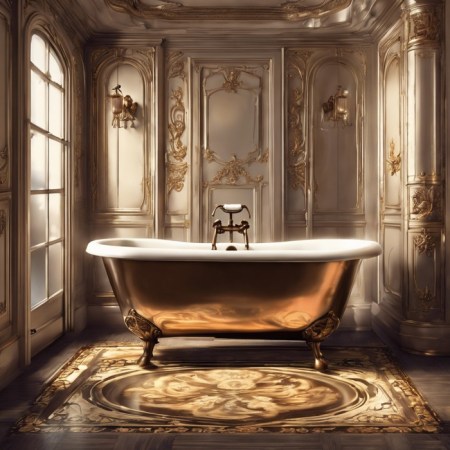
If you landed on this post, you’ve likely been asking yourself, what is a claw foot tub aka “clawfoot bathtub”? A claw foot tub is a unique and elegant bathtub that is distinguished by its design and the way it stands on feet. These tubs have a rich history and are known for their vintage charm and luxurious appeal. It’s no wonder so many homeowners long to own one!
In this article, we will delve into the details of what a claw foot bathtub is, the materials used in its construction, and most importantly, the origin of its name.
Fun Fact About Claw Foot Tubs
Claw foot tubs were originally designed to be portable. Unlike modern built-in bathtubs, clawfoot tubs were detachable and could be moved around the house. This was especially useful in the past when bathrooms were not as common, allowing people to have a bath in any room they desired. Often they would place them in front of a fireplace or heat source for a warm and cozy bathing experience.
Sounds nice, but I certainly wouldn’t want to lug one of these heavy-weights around!

How the Claw Foot Tubs Differ From Conventional Tubs
A claw foot tub being a freestanding bathtub that sits on it’s feet, gives it a raised and regal appearance like a fine furniture piece. Unlike conventional built-in tubs, clawfoot tubs are a separate entity, not attached to any walls. Thus, this design feature allows for greater flexibility in bathroom layout and provides a sense of grandeur to any space.
Claw foot bathtubs are typically made from cast iron and porcelain, or acrylic. Cast iron porcelain tubs are known for their durability and heat retention properties. The interior porcelain basin and rim offers a smooth and glossy finish that is elegant, durable and easy to clean. Acrylic tubs are a more modern option, offering lightweight construction and a variety of colors and designs.
How the Claw Foot Tub Got it’s Name
Now, let’s uncover the intriguing origin of the name “claw foot tub.” The term “clawfoot” refers to the shape of the feet on which the tub stands. These feet are often designed to resemble animal claws, most commonly those of a lion or an eagle. The intricate detailing on the feet adds a touch of sophistication and artistry to the tub’s overall aesthetic.
The inspiration for the claw foot design can be traced back to ancient civilizations. In ancient Rome, for example, bathtubs were often supported by animal-shaped feet. This concept was later revived during the 18th century in Europe, particularly in England and France. The clawfoot tub became a symbol of luxury and opulence, gracing the bathrooms of aristocrats and wealthy individuals.

As the popularity of clawfoot tubs grew, they made their way across the Atlantic to America. They became a staple in elegant Victorian-era homes and were highly sought after for their elegance and style. As a result, the name “claw foot tub” stuck, describing the unique design element that sets these bathtubs apart from other types.
Surprisingly, not all claw foot tubs have a ball and claw foot design. While the ball and claw design is considered the classic and most iconic, there are variations that feature different foot designs, such as the paw or lion’s paw. These variations showcase the creativity of craftsmen and provide a wide range of options for homeowners looking to incorporate a clawfoot tub into their bathroom design.
Conclusion
Because the claw foot tub is a freestanding bathtub that sits on feet, it gives a raised and distinctive appearance. Its name is derived from the original claw-like feet on which it stands, which can be traced back to ancient civilizations. The clawfoot tub’s design and elegance have stood the test of time, making it a beloved timeless and romantic addition to any bathroom of multitude styles.
Leave a Reply