
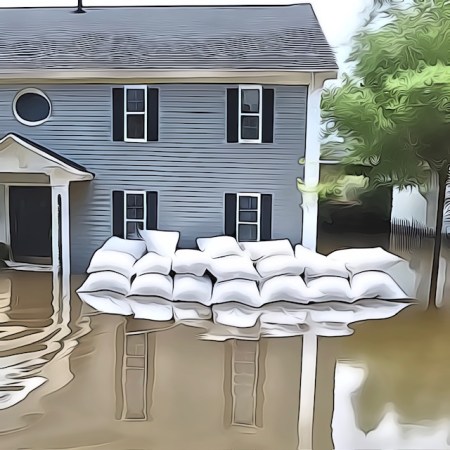
If you are fortunate enough to afford owning a house, no doubt you’ll want to take every possible measure to protect it. Most often, homeowners are concerned with fire risk. But, what about flood?
Learning how to use and stack sandbags properly as a flood protection barrier in the event of a potential flood can help avoid costly water damage to your home’s structure and contents. Surprisingly, damage from flood is an event that most basic homeowner insurance policies do not cover. If your home is located in an area prone to flooding such as near rivers and other bodies of water, you may want to consider adding flood protection to your policy. Maintaining insurance coverage is essential even when you own your home mortgage free.
Why Sandbags are Popular Amongst Homeowners
Sandbags are a popular choice and great for flood protection due to several reasons. Firstly, sandbags are readily available and cost-effective compared to other flood protection methods. They can be easily sourced from local suppliers or even made on-site using sand and empty bags.
Secondly, sandbags are flexible and can be arranged in various configurations. Learning how to stack sandbags properly will create effective barriers against floodwaters. They can be stacked in layers or laid flat to create walls or embankments, depending on the specific needs of the situation. This flexibility allows for quick adaptation to different flood scenarios.
Another reason for the popularity of sandbags is their ability to absorb and redirect water. The porous nature of sandbags allows them to soak up water and create a barrier that slows down or diverts the flow of floodwaters. This can help protect vulnerable areas and reduce the risk of water damage that leads to foundation, siding and drywall moisture problems.
Additionally, sandbags are relatively easy to transport and install. They can be quickly deployed by volunteers or emergency response teams, making them a practical and efficient solution during flood emergencies. The simplicity of sandbags also means that minimal training is required to use them effectively.
Lastly, sandbags are environmentally friendly compared to some other flood protection methods. They are made from natural materials and can be easily disposed of or recycled after use, minimizing their impact on the environment.
Overall, the popularity of sandbags for flood protection can be attributed to their availability, cost-effectiveness, flexibility, water absorption capabilities, ease of use, and environmental friendliness.
How To Stack Sandbags
Stacking sandbags properly as a flood barrier requires careful planning and attention to detail. Here are the steps to stack sandbags properly and effectively:

Prepare the area to stack the sandbags:
Clear the area where you plan to stack the sandbags. Remove any debris, vegetation, or other materials that may hinder the effectiveness of the barrier.
Gather the sandbags:
Obtain enough sandbags to create a strong and stable barrier by measuring the area. Ideally, use sandbags specifically designed for flood control, as they are often made of durable materials and have built-in UV protection.
Fill the sandbags (if not already pre-filled):
Fill the sandbags with sand, leaving about one-third of the bag empty. This empty space allows the sandbag to mold and conform to the shape of the ground when stacked.
Fold the sandbags:
Fold the open end of the sandbag to create a seal. This will prevent the sand from leaking out and ensure a tight fit when stacking the bags.
Begin to stack the sandbags:
Begin by placing a row of sandbags at the base of the area you want to protect. Lay them lengthwise and parallel to the expected water flow. Overlap the edges of each bag to create a continuous barrier.
Stack the sandbags in staggered layers:
As you build up the barrier, stagger the layers of sandbags like a brick wall. This helps to create a stronger and more stable structure. Offset each layer by half the length of a sandbag to increase stability.
Compact and shape:
After each layer is stacked, gently compact the sandbags by tapping them down with a shovel or the back of a rake. This will help to eliminate any gaps and create a solid barrier.
Stack the sandbags while building up the height:
Continue to stack the sandbags layer by layer until you reach the desired height. Remember to compact and shape each layer as you go.
Anchor the barrier:
To prevent the sandbags from shifting or being washed away, anchor them with stakes or sandbag ties. Drive the stakes through the sandbags and into the ground, or use sandbag ties to securely fasten the bags together.
Monitor and maintain:
Regularly inspect the sandbag barrier for any signs of erosion, leaks, or weakness. Replace or repair any damaged or compromised sandbags to ensure the barrier remains effective.
Remember, stacking sandbags is a temporary solution and should be used in conjunction with other flood mitigation measures. It is important to follow local guidelines and recommendations from authorities when dealing with flood situations.
What is the lifespan of sandbags?
The lifespan of sandbags can vary depending on several factors such as the quality of the bags, the conditions they are exposed to, and how well they are maintained.
Generally, sandbags can last for several months to a year if properly stored and maintained. However, it’s important to note that sandbags are considered a temporary solution for flood control and are not designed for long-term use.
Factors that can affect the lifespan of sandbags include:
1. Exposure to sunlight: UV rays from the sun can degrade the material of the sandbags over time. To extend their lifespan, it’s recommended to use sandbags with UV protection or cover them with tarps or other materials to shield them from direct sunlight.
2. Moisture and mold: Sandbags that are constantly exposed to moisture, rain, or floodwaters can deteriorate more quickly. It’s essential to ensure that the sandbags are properly dried and stored after use to prevent mold growth and maintain their integrity.
3. Physical wear and tear: Sandbags can be subject to wear and tear due to handling, stacking, and exposure to rough surfaces or sharp objects. Regular inspection and proper handling can help identify any damage and allow for timely repairs or replacements.
4. Storage conditions: Proper storage is crucial to maximize the lifespan of sandbags. They should be stored in a dry and protected area, away from moisture, rodents, and pests. Storing them in a cool, well-ventilated space can help prevent deterioration.
It’s important to regularly inspect and maintain sandbags to ensure their effectiveness when needed. If you notice any signs of degradation, such as tears, holes, or weakened material, it’s advisable to replace the sandbags promptly. Additionally, following local guidelines and recommendations for sandbag use and disposal is essential to ensure safety and environmental responsibility.
How and where are sandbags primarily used?
Sandbags are primarily used for flood control and erosion prevention. The placement of sandbags depends on the specific situation and the purpose for which they are being used. Here are some general guidelines:
1. Outdoor Placement: Sandbags are commonly placed outdoors to create barriers and divert floodwaters away from buildings, roads, or other vulnerable areas. They can be stacked to form walls or used to reinforce existing structures. Placing sandbags outdoors is often necessary when dealing with natural disasters or heavy rainfall.
2. Indoor Placement: In certain cases, you may need to stack the sandbags indoors to prevent water from entering a building. This is typically done when there is a risk of flooding or when outdoor barriers are insufficient. Stack sandbags near doorways, windows, or other openings to create a barrier against water infiltration.
The effectiveness of sandbags, both indoors and outdoors, depends on proper placement and construction. Here are a few key considerations:
– Ensure proper stacking: Sandbags should be stacked in a pyramid or staggered pattern to create a stable structure. This helps to prevent water from seeping through gaps in the bags.
– Use plastic sheeting: When placing sandbags indoors, it’s advisable to use plastic sheeting as a base layer to further prevent water penetration. This can be placed beneath the sandbags to act as an additional barrier.
– Monitor and maintain: Regularly inspect sandbags for signs of wear and tear, and replace any damaged bags promptly. Monitor the water level and adjust the sandbag placement if necessary.
Be sure to follow local guidelines and recommendations for sandbag placement, as they may vary depending on the specific flood risk and building regulations in your area.
What are the dimensions of sandbags?
The dimensions of sandbags can vary depending on their intended use and the specific requirements of the situation. However, the most commonly used sandbags typically have the following dimensions:
– Length: Approximately 14 to 18 inches (35 to 45 centimeters)
– Width: Approximately 6 to 8 inches (15 to 20 centimeters)
– Height: Approximately 3 to 4 inches (7.5 to 10 centimeters)
These dimensions are approximate and can vary slightly depending on the manufacturer and the specific purpose of the sandbags.
Note that the size of sandbags can also affect their weight capacity. The weight of a sandbag can range from around 30 to 50 pounds (13.6 to 22.7 kilograms) when filled with sand, depending on its size and the density of the sand used.
How much do sandbags cost?
The cost of sandbags can vary depending on various factors such as the material used, size, and quantity. Generally, the cost of sandbags can range from about 50 to 75 cents empty to 5 to 10 dollars prefilled per bag.
When it comes to buying prefilled sandbags, there are a few options available:
1. Local Hardware Stores or Home Improvement Centers: Many local hardware stores or home improvement centers carry sandbags and may offer prefilled options. These stores often have a dedicated section for emergency preparedness or flood control supplies. You can check with these stores in your area to inquire about the availability and cost of prefilled sandbags.
2. Online Retailers: There are several online retailers that specialize in emergency preparedness and flood control products. These retailers may offer prefilled sandbags for purchase. You can search for them using keywords such as “prefilled sandbags” or “flood control supplies” to find options that suit your needs. Make sure to compare prices and read customer reviews before making a purchase.
3. Local Government Agencies: In some cases, local government agencies may distribute sandbags during emergency situations, such as floods or storms. They may provide prefilled sandbags for free or at a subsidized cost. Contact your local emergency management agency or public works department to inquire about any programs or resources available for obtaining prefilled sandbags.
The availability of pre-filled sandbags may vary depending on your location. It is recommended to plan ahead. Purchase sandbags well in advance of any potential emergencies to ensure you have them on hand when needed. Have an evacuation preparedness plan and arrangement for temporary housing.
Watch my video or read the transcript below
Flash Flooding on Your Property? Things You Can Do!

How to stack sandbags
Hey, you guys. I wanted to pop in and say. Hi and hope that you’re doing okay. On this very treacherous Sunday for many, as Hurricane Hillary dumps on everyone. We all know that water is precious. Commodity, so we are blessed to have that. But when it just kind of dumps.
On you all at once, it’s hard to take. So I just wanted to pop in. And kind of give you some pointers. I just had to recently deal with this on my daughter’s project. She has a new home construction, but most of that, or I would say the bulk of that.
And I’m going to show you some. Pictures were due to the lot not being graded properly. It’s horrific. It ended up with a lake in her backyard, a lake on the west side of her house. The septic system got flooded and started coming in under her crawl space. And it’s because of all the negative grade.
Impact of negative grade and floodwaters
Which means it was all flowing toward the house instead of away from the house. So even when you get a flood. Of rain just dumping on you, it. Should flow away from your house, away. From your foundation, and out to the. Street areas where it can escape. So unfortunately, a lot of people do not have flood insurance unless they’ve actually been,
if their property is located in. A flood zone, which a lot of this flooding is taking place outside of flood zones. So just things happen. So you might want to look into your insurance company for some kind of relief.
Try to determine if your grading was. Done properly and if it was recently done, you might be able to find some financial relief that way. But I’m going to show you some. Pictures, hopefully these photos of how to stack sandbags. If you have some sandbags on hand. That should help you to at least.
Divert the water from flowing into your house. It’ll keep it away from your foundation.
If not, we also know someone that recently dug a huge hole in her backyard for a sump and started pumping that out. And that has been a relief. So whatever you do, just make sure if you get in your car to go somewhere, make sure it’s safe, because this can happen in a matter of minutes.
It looks dry and all of a sudden you get a flash flood and you’re in a dangerous situation. So just be careful. I’m going to show you these pictures.
Leave a Reply